


Introduction to Hand Bandages
Hand bandages are an essential component in first aid kits, used to treat a variety of hand injuries ranging from minor cuts to more serious sprains. Understanding when and how to apply a hand bandage is crucial in ensuring optimal healing and preventing further injury. For manufacturers, suppliers, and factories producing first aid supplies, the knowledge of proper bandaging techniques and applications is integral to providing effective products.
Identifying the Need for a Bandage
Assessing the Injury
Before applying a bandage, it’s important to assess the nature and severity of the injury. Minor cuts and abrasions may only require a simple adhesive bandage, while more significant injuries such as deep lacerations or sprains will require more comprehensive bandaging solutions. A factory specializing in medical supplies should ensure their products are designed to address varying degrees of injury effectively.
Signs of Injury Requiring Bandaging
- Visible bleeding from cuts or wounds.
- Swelling or bruising indicating potential sprains.
- Immobilization assistance needed for fractured or dislocated fingers.
Sports Injuries and Hand Bandages
Common Sports-Related Hand Injuries
Sports activities are a frequent cause of hand injuries, with strains and sprains being the most common. The repetitive motion and impact associated with sports can lead to these injuries, necessitating proper support through bandaging. Providers and suppliers of sports-related first aid must ensure their products cater to these specific needs.
Using Bandages for Support and Recovery
Hand bandages can provide crucial support and stability, aiding in the recovery process of sports-related injuries. Manufacturers should focus on materials that offer flexibility and comfort, allowing athletes to maintain mobility while protecting the injured area.
First Aid for Cuts and Lacerations
Immediate Response to Cuts
Quick and effective management of cuts is vital in minimizing the risk of infection and promoting healing. Cleaning the wound with antiseptic, applying a sterile dressing, and securing it with a bandage is a standard procedure. Factories and suppliers must ensure that their bandage products are sterile and easy to apply, enhancing their utility in emergency situations.
Longer-term Care for Lacerations
For deeper lacerations, ongoing care is necessary to prevent complications. This includes regularly changing dressings and monitoring for signs of infection. Manufacturers should develop products that facilitate easy inspection and maintenance of wounds.
Managing Swelling with Bandages
Understanding the Role of Compression
Compression is a key element in managing swelling and inflammation associated with hand injuries. A properly applied bandage can help reduce swelling by limiting fluid accumulation in the tissues. Suppliers of medical bandages should prioritize products designed to apply even and consistent pressure to the affected area.
Bandage Application Techniques for Swelling
Applying a hand bandage in a figure-eight pattern is an effective technique for managing swelling. This method provides optimal compression and support. Factories producing bandages should provide clear instructions or diagrams on packaging to guide users in correct application methods.
Supporting Injured Joints and Bones
Use of Bandages in Joint Support
Bandages can be instrumental in providing necessary support to injured joints, aiding in the prevention of further injury and facilitating recovery. This is particularly relevant for sprained wrists or fingers. Manufacturers must ensure their products offer sufficient rigidity to stabilize the injury while maintaining comfort.
Bandages for Fracture Management
While bandages alone may not fully support a fractured bone, they can be used in conjunction with splints to immobilize the affected area. Suppliers should offer bandages that are compatible with other immobilization devices to provide comprehensive care solutions.
Circulation Checks After Bandaging
Importance of Circulation Monitoring
After applying a bandage, it is vital to regularly check circulation to ensure the bandage is not too tight. Pressing on a fingernail and observing the return of color can indicate proper blood flow. Factories should emphasize the importance of circulation checks in their product instructions to prevent potential complications from poorly applied bandages.
Common Signs of Poor Circulation
- Numbness or tingling in the fingers.
- Pale or bluish skin color.
- Increased pain or throbbing sensation.
Proper Bandaging Technique
Step-by-Step Bandage Application
Correctly applying a hand bandage involves several steps: starting at the wrist, wrapping diagonally across the hand, and securing at the wrist. Suppliers and manufacturers should provide comprehensive guidelines to ensure users can follow these steps accurately.
Materials and Tools Required
- Bandage roll of appropriate size.
- Scissors for cutting bandage.
- Fastening pins or adhesive tape.
Safety Measures and Precautions
Preventing Infection and Further Injury
Applying bandages in a sterile manner is paramount to prevent infection. Clean hands and sterile equipment are crucial. Factories producing bandages must adhere to stringent quality control measures to ensure product safety.
Avoiding Common Bandaging Mistakes
- Applying bandages too tightly, compromising circulation.
- Neglecting to secure bandage ends, leading to unraveling.
- Improperly aligning bandage layers, causing uneven pressure.
When to Seek Professional Help
Recognizing Situations Beyond Self-Care
While bandages can effectively manage minor injuries, more serious conditions may require professional medical attention. Persistent pain, severe swelling, or signs of infection warrant a visit to a healthcare provider. Manufacturers should advise users to seek medical advice when necessary, promoting a balanced approach to first aid care.
Role of Medical Professionals in Injury Management
Healthcare providers can offer advanced treatment options that go beyond what a bandage can achieve. Properly informed decision-making can lead to better healing outcomes, highlighting the importance of professional intervention when indicated.
Hongde Medical Provide Solutions
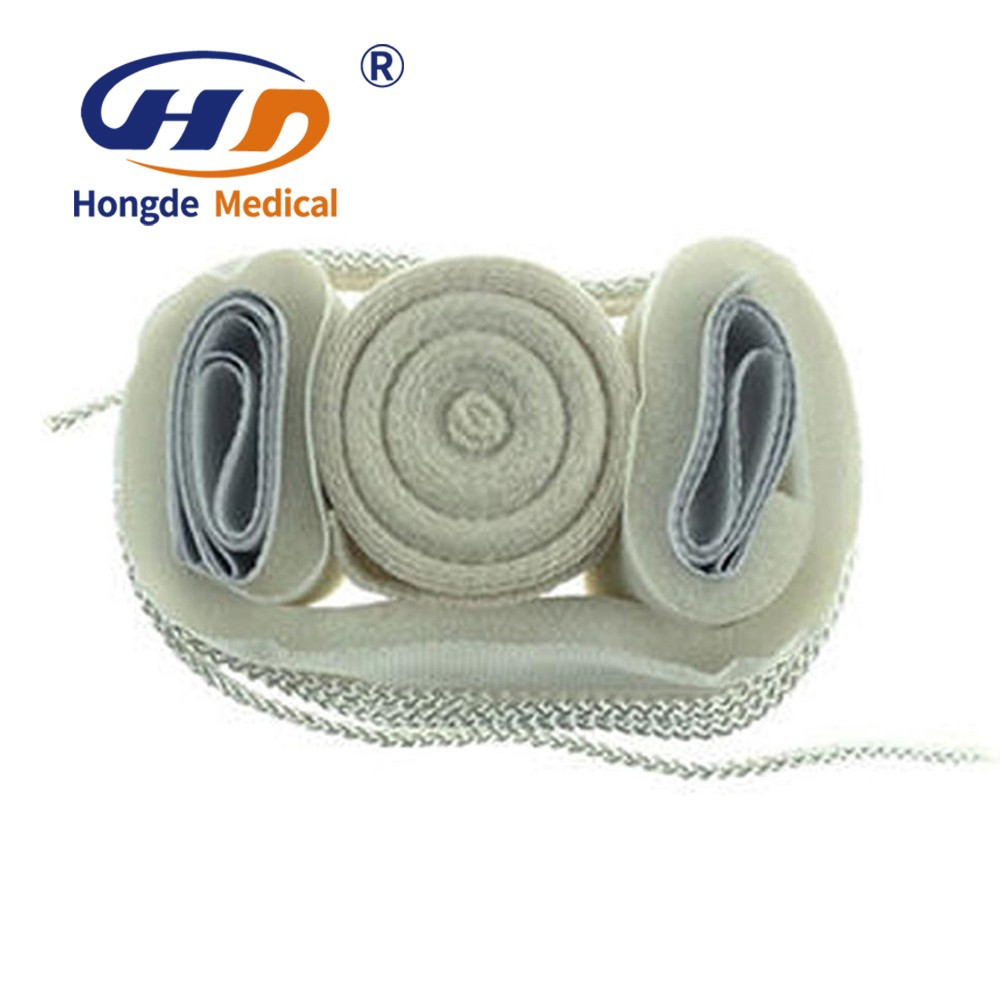
Hongde Medical offers a comprehensive range of bandaging solutions for various hand injuries, ensuring quality and reliability in every product. As a leading manufacturer, supplier, and factory, we focus on producing bandages that cater to the diverse needs of our clients, from sports enthusiasts to general consumers. Our products are crafted with user safety and comfort in mind, providing effective solutions for both immediate first aid and longer-term injury management.
Post time: Sep-06-2025