


Introduction to Bandages
Bandages are versatile medical tools used in wound care for protection, support, and management of injuries. They are a staple in first aid kits, frequently employed to safeguard body areas, ensure efficient healing, and prevent further injury. Understanding the differences between various types of bandages, particularly compression and regular bandages, is crucial for effective medical care.
Composition and Characteristics
Regular Bandages
Regular bandages are typically composed of cotton or other breathable materials, offering flexibility and comfort. They are primarily used for covering wounds and providing basic protection. These bandages have adhesive edges to secure them in place, making them easy to apply and remove.
Compression Bandages
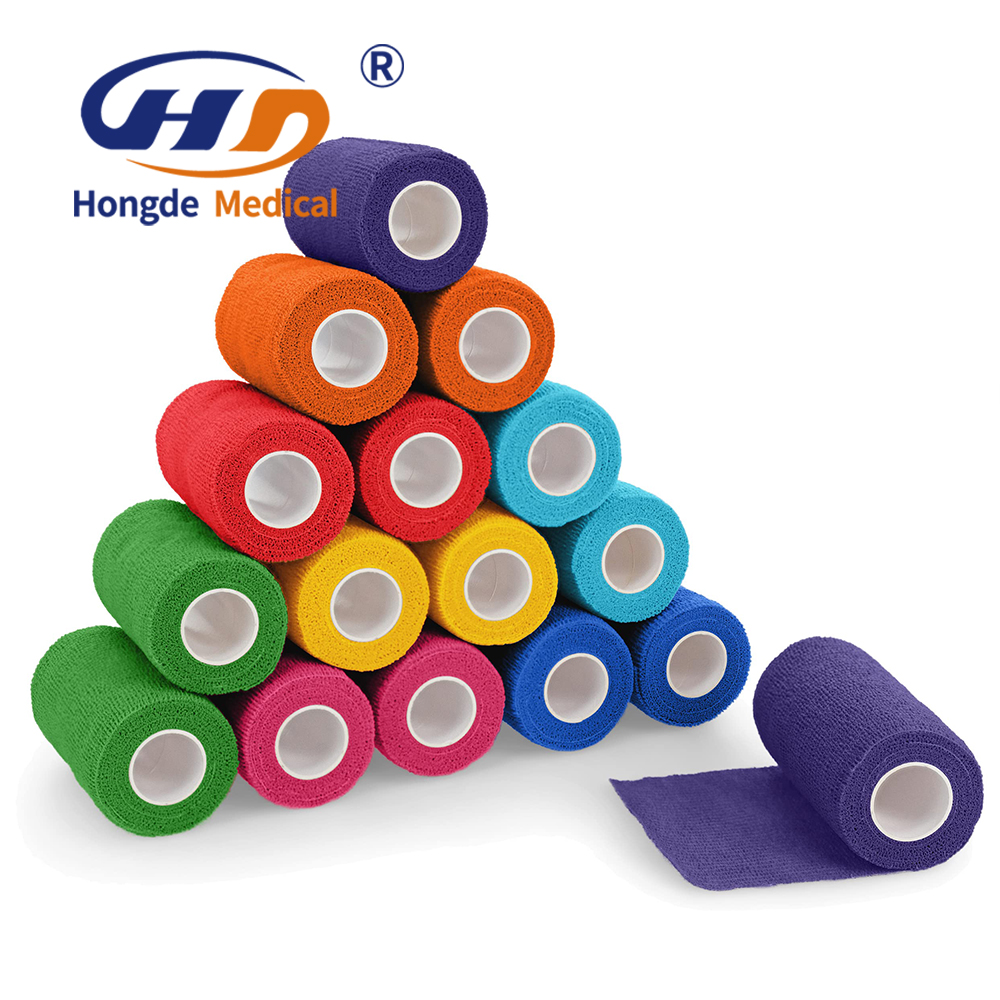
Compression bandages, on the other hand, consist of elastic materials designed to apply consistent pressure to specific body areas. The elasticity allows these bandages to stretch and conform to the body’s contours, providing graduated compression to aid healing and improve circulation.
Primary Uses and Applications
Functions of Regular Bandages
- Protection from external contaminants
- Absorption of exudates from wounds
- Basic support for minor injuries
Applications of Compression Bandages
- Management of venous ulcers and edema
- Support in physical therapies and sports injuries
- Reduction of swelling and maintenance of limb structure
Types of Compression Bandages
Short Stretch Compression Bandages
These bandages are designed for use on limbs, providing consistent pressure without increasing when the muscle is relaxed. They are effective for treating conditions like venous ulcers, lymphedema, and leg ulcers. Short stretch bandages are ideal for continuous use, even during rest periods.
Long Stretch Compression Bandages
Long stretch bandages are highly elastic, capable of stretching up to three times their original length. They are suited for use during active periods but must be removed during rest as they exert high resting pressure which can impede circulation. They are particularly useful in physical therapy and managing acute injuries.
Pressure Application in Therapy
Role of Compression Bandages
Compression bandages play a vital role in compression therapy by applying controlled pressure to improve venous blood flow and reduce edema. They are especially beneficial for patients with chronic conditions that necessitate prolonged treatment and customized pressure gradients.
Importance of Pressure Gradients
Pressure gradients in compression bandages allow healthcare providers to customize treatment according to patient needs. The gradient ensures that the pressure is highest at the extremities and decreases toward the center of the body, promoting efficient blood return and edema reduction.
Duration and Safety Considerations
Regular Bandage Use
Regular bandages are generally safe for extended use, provided they do not inhibit circulation or cause irritation. They should be changed regularly to maintain hygiene and efficacy.
Compression Bandage Safety
Compression bandages require careful handling due to their pressure application. It is crucial not to leave high-stretch bandages on overnight to prevent fluid accumulation and ensure they are applied correctly to avoid complications like reduced blood flow.
Customization and Adaptability
Individualized Treatment Options
Compression bandages offer a tailored approach due to their varying lengths and pressure gradients. This customization is critical in addressing specific patient conditions effectively and ensuring optimal healing outcomes.
Advantages of Elastic Materials
The use of elastic materials in compression bandages enhances their adaptability, allowing for consistent pressure maintenance and comfort during movement. This characteristic makes them suitable for dynamic environments, such as sports and physical activities.
Maintenance and Reusability
Durability of Compression Bandages
Unlike regular bandages, many compression bandages are reusable, offering economic and environmental benefits. Proper care, including regular washing and drying, extends their lifespan and maintains their elasticity and effectiveness.
Cost-Effective Solutions
Choosing wholesale compression bandages from a reliable supplier can provide clinics and hospitals with cost-effective solutions. Factories producing high-quality bandages ensure a balance of affordability and performance, essential for healthcare providers managing multiple patients.
Choosing the Right Bandage
Factors in Selecting Bandages
- Nature and location of injury
- Required level of compression or support
- Patient comfort and skin compatibility
Consultation with Healthcare Professionals
Professional consultation is crucial when selecting the appropriate bandage, as medical providers can recommend the most suitable type and ensure correct application. This guidance helps in preventing complications and optimizing the healing process.
Conclusion and Best Practices
Summary of Differences
In summary, while both regular and compression bandages serve vital roles in medical care, their applications and characteristics differ significantly. Regular bandages offer basic protection and support, whereas compression bandages provide targeted pressure necessary for specific medical treatments and conditions.
Essential Considerations
Careful selection and application of bandages are imperative to prevent further injury and promote healing. Compliance with guidelines and continuous assessment of patient needs ensure that bandages fulfill their intended therapeutic roles effectively.
Hongde Medical Provide Solutions
At Hongde Medical, we offer high-quality compression and regular bandages suited for a variety of medical needs. Our products are manufactured with precision and care, ensuring durability and effectiveness. By choosing Hongde Medical as your preferred bandage supplier, clinics and hospitals can benefit from our cost-effective, wholesale solutions, maintaining the highest standards of patient care.
Post time: Nov-09-2025