


Introduction to Waterproof Dressings for Swimming
Waterproof dressings have become an essential tool in wound care, especially for those who lead active lifestyles. These dressings are designed to keep wounds dry and protected while allowing individuals to participate in activities like swimming. Understanding how these dressings work and how long they can last underwater is crucial for effective wound management. The duration for which a waterproof dressing can stay on while swimming is influenced by several factors, including the type of dressing, the waterproof technology used, and the conditions of the water.
Types of Waterproof Dressings
Clear Adhesive Strips and Padded Versions
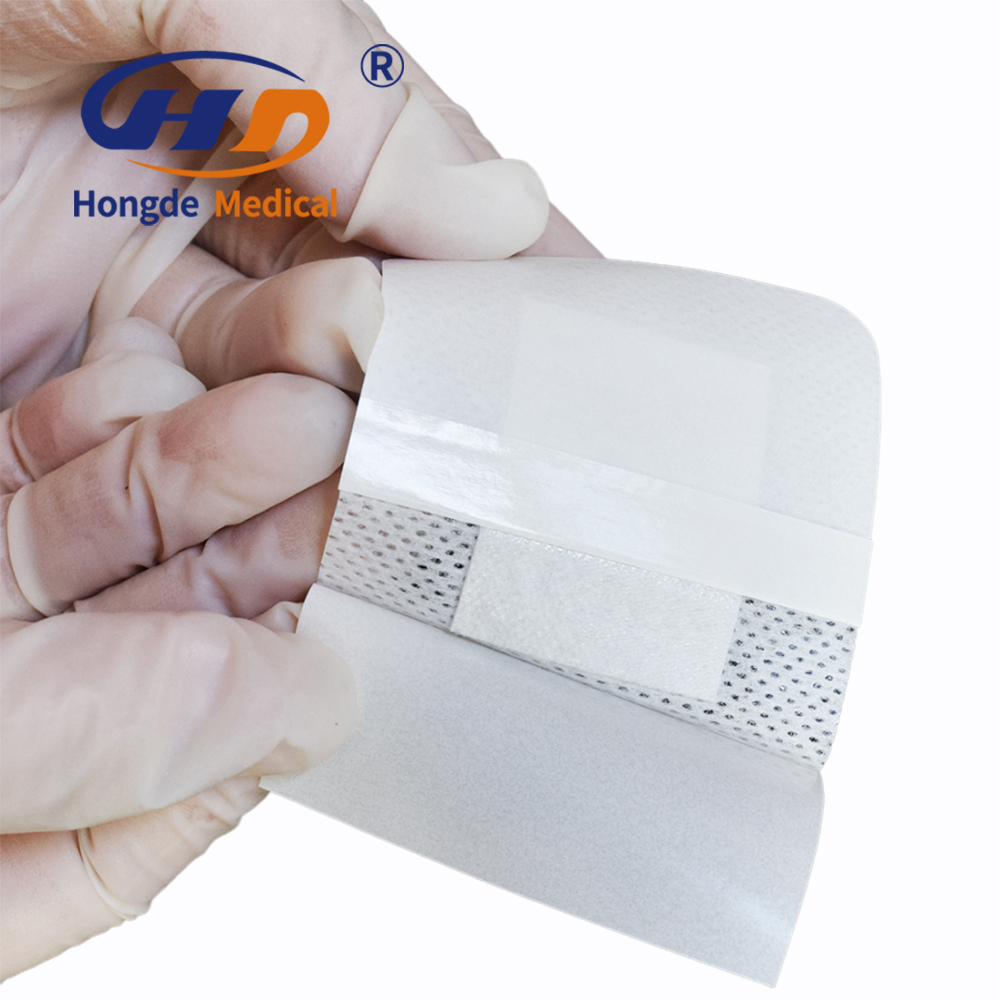
Waterproof dressings come in various forms, each designed to suit different wound types and locations. Clear adhesive strips offer the advantage of visibility, allowing users to monitor the wound without removing the dressing. These are ideal for superficial wounds as they provide a seal against water while letting you keep an eye on the healing process. Padded versions, on the other hand, offer additional protection, ideal for wounds on joints or areas prone to bending.
Preparing the Wound for Waterproof Dressing
Step-by-Step Preparation Process
Proper preparation is key to ensuring the effectiveness of Waterproof Wound Dressing for Swimming. Start by cleaning the wound and the surrounding area using sterile gauze and antiseptic wipes. This step is critical in removing contaminants that could hinder the dressing’s adhesion. After cleaning, ensure the wound is completely dry before applying the dressing, as moisture can compromise the adhesive seal.
Adhesive Sealants for Enhanced Protection
Adhesive sealants are a critical component in the waterproofing process, especially for wounds that require extra protection. These sealants form a barrier over stitches or sutures, preventing water from seeping in. Manufacturers have designed these sealants to dry clear, making them less noticeable and more aesthetically pleasing while providing robust protection.
Practical Tips for Applying Waterproof Dressings
Ensuring Secure and Long-Lasting Adhesion
To maximize the longevity of a waterproof dressing while swimming, it is essential to secure the edges with medical tape. This additional step helps maintain the integrity of the protective barrier, even during prolonged water exposure. Suppliers recommend checking the dressing for any signs of peeling, especially around the edges, and reapplying medical tape if necessary.
The Science Behind Waterproof Technology
Balancing Breathability and Waterproofing
Modern waterproof dressings are a marvel of technology, designed to keep water out while allowing the wound to breathe. This is achieved through microscopic channels that permit air exchange without compromising the waterproof barrier. Factories have focused on this dual feature to promote optimal wound healing by maintaining a moist healing environment and preventing infection.
Impact of Water Type on Dressing Efficacy
Dressing Performance in Chlorinated Pools and Open Water
The type of water can significantly affect the performance of waterproof dressings. Chlorinated pools are typically less challenging for waterproof dressings as chlorine helps keep the water clean. However, in open water sources like lakes or the sea, the presence of microorganisms and debris can test the adhesive strength of the dressing. It is advisable to check the water quality and the condition of the dressing before and after swimming to ensure continued protection.
Benefits of Waterproof Dressings Beyond Swimming
Waterproof dressings offer numerous benefits beyond swimming. They enable individuals to engage in everyday activities like showering or gardening without worrying about water exposure affecting their wounds. Their ability to keep out dirt and bacteria makes them an excellent choice for overall wound protection, which is why many manufacturers recommend them for first aid kits.
Limitations and Considerations for Use
While waterproof dressings offer substantial protection, they are not infallible. Prolonged water exposure or intense activities can weaken their adhesive properties. It is important to monitor the condition of the dressing, especially if the wound is large or heavily exuding. In such cases, consulting a medical professional is advisable to determine the best wound care approach.
Conclusion and Recommendations
Waterproof dressings have revolutionized wound care by providing a reliable barrier against water, allowing individuals to maintain their active lifestyles while ensuring proper wound healing. By selecting the appropriate type and size of dressing and following proper application techniques, users can maximize their effectiveness during swimming or other water-related activities.
Hongde Medical Provides Solutions
For those in need of high-quality wound care products, Hongde Medical offers a range of waterproof dressings designed to meet diverse needs. Our products are manufactured to ensure superior protection against water and contaminants while promoting optimal healing. As a leading supplier in the industry, we are committed to providing reliable solutions that cater to both everyday and specialized wound care requirements. Trust Hongde Medical for your waterproof dressing needs and experience the peace of mind that comes with advanced protection and care.
Post time: Jul-04-2025