


Importance of Proper Elastic Bandage Storage
Elastic bandages are an essential component in medical care, offering compression and support for various injuries. Proper storage extends their lifespan and ensures optimal performance. Incorrect storage can compromise their elasticity and effectiveness. Understanding the reasons behind proper storage allows individuals and healthcare facilities to better care for these essential supplies.
Ideal Storage Environment for Elastic Bandages
Temperature and Humidity Considerations
Elastic bandages should be stored in a cool, dry environment. Exposure to excessive moisture and heat can degrade the elastic fibers, leading to loss of elasticity and functionality.
Avoiding Sunlight and UV Exposure
Direct sunlight and UV exposure accelerate the degradation of elastic materials. Store bandages away from windows and direct light sources to maintain their quality over time.
Benefits of Pre-Washing Elastic Bandages
Enhancing Elasticity and Performance
Pre-washing elastic bandages in warm water helps to maximize elasticity, providing better support and compression during use. It also removes any residues from the manufacturing process.
Pre-Washing Frequency and Method
It’s advisable to pre-wash bandages before their first use and repeat occasionally during their lifespan. Use gentle detergents and warm water, then air dry to maintain their structure.
Protecting Bandages from Contamination
Using Sealed Containers for Storage
Storing elastic bandages in sealed containers prevents contamination from dust, dirt, and bacteria. This keeps the bandages clean and safe for medical use.
Transport Considerations
During transportation, ensure bandages are stored in airtight packaging to protect them from environmental contaminants and fluctuating conditions.
Maintaining Elasticity through Proper Care
Avoiding Overstretching and Excessive Force
Care must be taken not to overstretch bandages during application, as this stresses the fibers and reduces elasticity. Apply a firm yet comfortable tension to maintain functionality.
Regular Inspection and Replacement
Perform regular inspections for signs of wear and tear. Replace bandages that have lost their elasticity or have been damaged to ensure patient safety and effective treatment.
Organization Tips for Easy Access
Categorizing by Size and Type
Store bandages by size and type for quick identification and access. This is particularly useful in medical settings where time and efficiency are critical.
Labeling and Inventory Management
Clearly label storage containers with the size and type of bandages, and maintain an inventory list. This aids in efficient stock management and timely reordering from the manufacturer or factory.
Transporting Elastic Bandages Safely
Choosing Appropriate Packaging
During transport, select packaging that provides adequate protection and prevents exposure to damaging elements. Sealed, padded bags can offer additional safeguarding.
Tracking and Monitoring Conditions
Monitor transport conditions to ensure temperature and humidity remain within safe levels. This is particularly important when bulk buying from wholesale sources or directly from the factory.
Monitoring Elastic Bandage Conditions
Identifying Signs of Deterioration
Regularly check bandages for discoloration, fraying, or loss of elasticity. Early detection allows for timely replacement, preventing compromised support during use.
Recording Usage and Durability
Maintain a log of bandage use and replacement intervals. This data assists in predicting the lifespan of products and when to reorder from manufacturers or wholesalers.
Long-term Storage Strategies
Preserving Bandage Integrity
Long-term storage requires attention to environmental controls. Maintain consistent conditions to avoid deterioration of stored bandages.
Rotation and Stock Turnover
Implement a first-in, first-out (FIFO) system to ensure older bandages are used first. This minimizes waste and ensures that stock remains fresh and effective.
Common Mistakes in Bandage Storage
Ignoring Environmental Factors
Overlooking temperature and humidity levels can lead to premature degradation of bandages. Proper monitoring and adjustments are necessary for optimal storage.
Neglecting Regular Reviews
Failure to conduct regular inspections and maintenance can result in decreased bandage performance. Ensure consistent reviews to maintain a reliable inventory.
Hongde Medical Provide Solutions
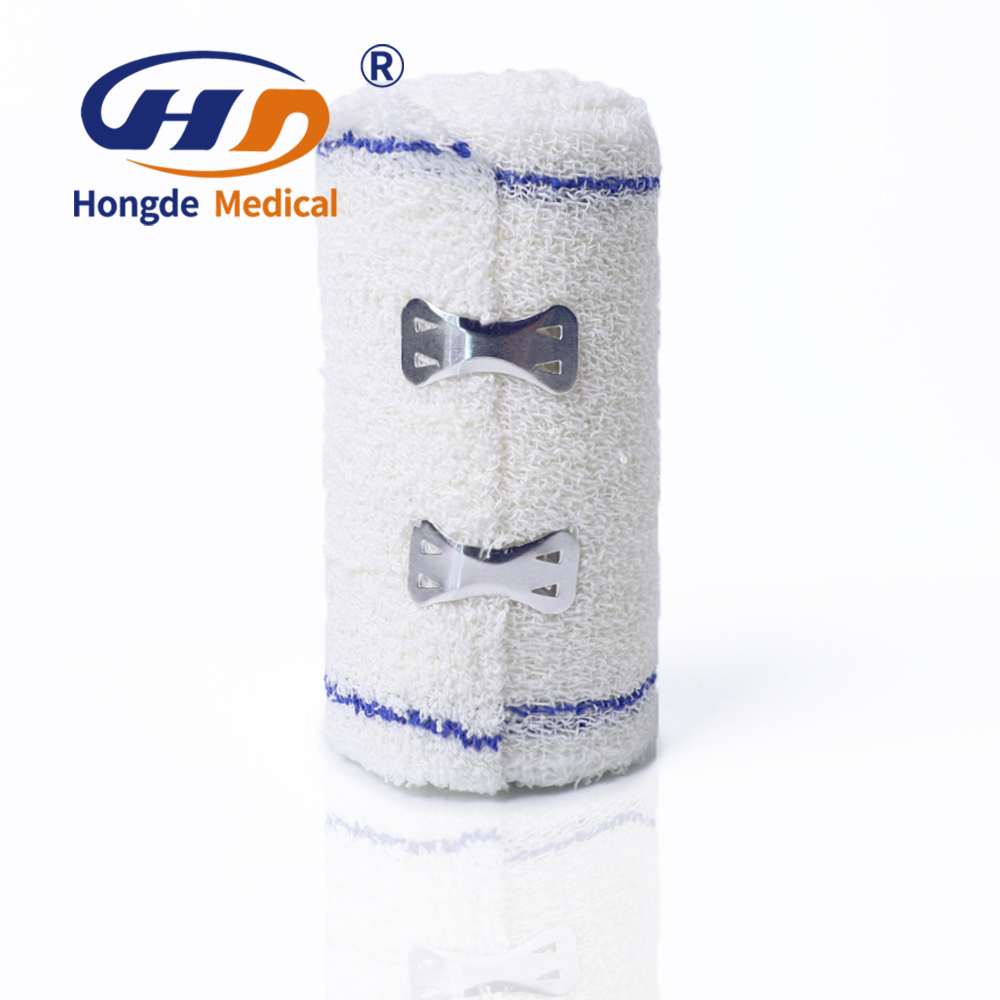
Hongde Medical offers comprehensive solutions to ensure the proper storage and maintenance of elastic bandages. Our expertly designed packaging solutions protect bandages from environmental factors and contamination, preserving their quality and extending their usability. Our storage guidelines and monitoring tools help healthcare providers maintain optimal stock conditions, ensuring bandages remain effective and safe for patient care. Choose Hongde Medical for reliable, high-quality storage solutions tailored to maintain the integrity and performance of your elastic bandages.
Post time: Sep-22-2025