


Introduction to Triangular Bandages
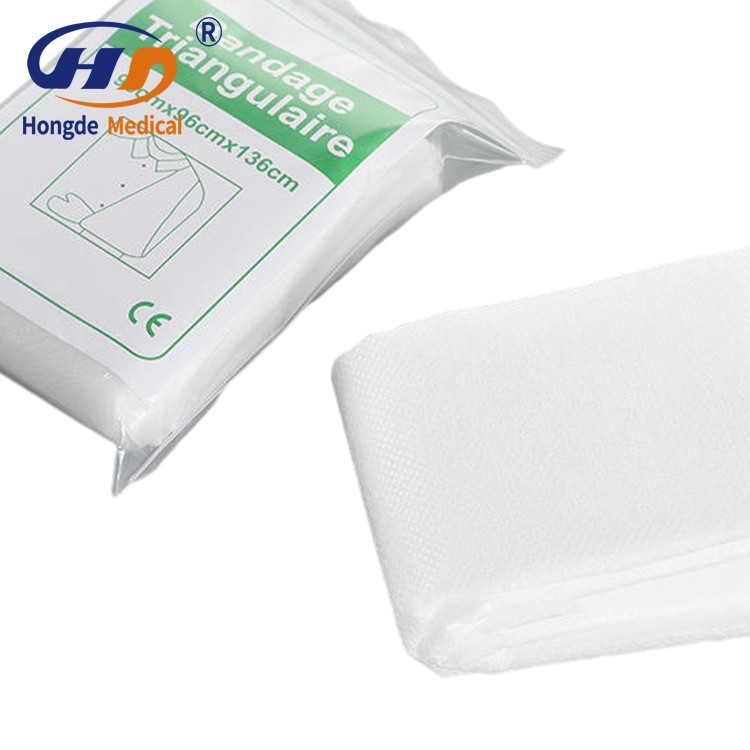
In the realm of first aid, the triangular bandage is an indispensable item that has stood the test of time due to its versatility and ease of use. Typically, a triangular bandage measures 40 by 40 by 56 inches, making it sufficiently large to accommodate a variety of medical uses. Whether sourced from a wholesale supplier, manufacturer, or factory, these bandages remain a staple in medical kits worldwide. Understanding how to properly secure these bandages is essential for effective first aid.
Essential Characteristics
Triangular bandages are typically made from cotton or other breathable fabrics, allowing them to be both absorbent and comfortable. The material’s durability ensures that the bandage can withstand the tension required to stabilize injuries. The triangular shape itself is ideal for creating slings, securing splints, and applying pressure to wounds, making it a highly adaptable tool.
History and Evolution of Bandanas
The triangular bandage’s history is deeply rooted in the evolution of the bandana, which originated in India as a bandhana — a colorful headdress. Over centuries, the use of bandanas extended beyond fashion, becoming integral to first aid and emergency care. In modern times, the triangular bandage is a testament to this evolution, maintaining its status as a critical component of medical preparation.
Transition from Fashion to Function
While bandanas served as accessories, their potential for improvised medical use became apparent in active settings like scouting and military operations. The transition was marked by a shift in focus from aesthetics to utility, leading to the bandage’s current role in first aid.
Situations Requiring Immobilization
Immobilization is crucial for injury management, particularly in scenarios involving sprains, fractures, or severe tissue damage. Triangular bandages are invaluable in these situations, providing support and reducing movement, thus mitigating pain and preventing further injury.
Common Injuries and Bandage Application
- Sprains: Wrapping the bandage around the injured area can offer stability.
- Fractures: Used as a sling, it immobilizes the limb to prevent aggravation.
- Bleeding: Applying pressure through the bandage can help control blood flow.
Using Triangular Bandages for Open Wounds
When addressing open wounds, a triangular bandage serves as a makeshift dressing. Its ability to apply pressure and restrict movement is fundamental in minimizing blood loss and risking infection.
Steps for Securing a Bandage on Open Wounds
- Ensure the bandage is clean or sterilized, ideally boiled or soaked in disinfectant.
- Place the center on the wound, carefully folding the edges to cover the area.
- Tie the ends securely, avoiding excessive tightness that could impede circulation.
Creating Your Own Triangular Bandage
While commercially available, triangular bandages can be crafted from household materials. Using old cotton sheets, one can cut a 40×40-inch square and fold it into a triangle or cut it diagonally to yield two bandages. The home-produced bandage should be sanitized to ensure safety for open wounds.
Sanitization Techniques
- Boiling: Submerge the fabric in boiling water for at least 20 minutes.
- Pressure Cooking: Use a pressure cooker for efficient sterilization.
- Disinfectant Solution: Soak in an antiseptic solution for a prescribed time.
Making a Sling for Arm Injuries
A sling is a common application of a triangular bandage, primarily used for arm and shoulder injuries. It provides both immobilization and comfort, reducing the risk of additional damage.
Steps to Create a Sling
- Position the bandage under the affected arm, with the apex over the shoulder opposite the injury.
- Bring the lower end up over the shoulder and tie a knot behind the neck.
- Secure the elbow’s bandage end with a safety pin or knot for added stability.
Supporting Rib Injuries with Slings
For rib injuries, a sling combined with added padding against the chest can alleviate pain caused by arm movement. This setup not only provides support but also acts as a buffer against external pressures.
Pain Reduction Techniques
- Add padding to reduce direct pressure on injured ribs.
- Use a broad bandage to distribute weight evenly across the torso.
Stabilizing Ankle Sprains with Triangular Bandages
Ankle sprains often occur on uneven terrains. While elastic wraps are preferred, a triangular bandage can successfully stabilize the injury through proper application.
Wrapping Technique for Ankle Sprains
- Fold the bandage to a width of 3-4 inches and place the center on the foot.
- Wrap beneath the foot, bringing ends behind the ankle.
- Cross the ends in front, tuck under vertical straps, and tie securely.
Improvising Tourniquets and Splints
In critical situations, a triangular bandage can be transformed into a tourniquet or splint. These improvisations are crucial when dealing with severe bleeding or fractures away from immediate medical assistance.
Tourniquet Formation Process
- Fold the bandage to form a narrow strip and wrap above the bleeding point.
- Tie a knot, place a stick or similar object atop the knot, and twist to apply pressure.
- Secure the stick in place to maintain pressure.
Splinting with a Triangular Bandage
- Align the splint material (stick or straight object) with the limb.
- Wrap the bandage around both the limb and splint, securing tightly but comfortably.
Conclusion: The Essential Role of Triangular Bandages
Triangular bandages are a versatile tool in any first aid kit, adaptable to numerous emergency scenarios. Whether obtained from a wholesale supplier, produced by a manufacturer, or fashioned in a factory, these bandages serve a vital role in both professional medical settings and personal preparedness kits. Mastery of different techniques to secure triangular bandages can significantly enhance emergency response effectiveness.
Hongde Medical Provide solutions
At Hongde Medical, we offer a comprehensive range of quality triangular bandages, crafted to meet the demanding needs of medical professionals and first responders. Our products are produced in certified facilities, ensuring high levels of sterility and reliability. Whether you require bulk purchases for medical facilities or need personalized solutions for various medical scenarios, Hongde Medical is dedicated to providing you with the highest standards of care and service.
Post time: Sep-14-2025