


Introduction to Trauma Bandages
In emergency medical care, trauma bandages play a crucial role in controlling bleeding and protecting wounds. These bandages are essential for managing various injuries, from minor cuts to severe lacerations and amputations. Understanding the correct application of trauma bandages is vital for both healthcare professionals and laypersons who might find themselves in critical situations.
The Purpose of Trauma Bandages
The primary purpose of trauma bandages is to apply pressure to reduce bleeding, protect the wound from contamination, and promote healing. They are designed to be versatile, quick to use, and effective in a variety of scenarios.
Different Types of Trauma Bandages
Trauma bandages come in various forms, each tailored to specific needs and situations. This section covers some of the most common types available from manufacturers and suppliers in the medical field.
Compression Bandages
Compression bandages are designed to apply firm pressure to a wound to restrict blood flow and minimize bleeding. The factory production of these bandages often involves materials that can stretch and adhere securely to the skin.
Elastic Bandages
Elastic bandages offer a flexible option for bandaging, allowing for movement while still providing necessary support and pressure. These are commonly used for sprains and are essential in any first aid kit.
Steps for Applying a Trauma Bandage
Correctly applying a trauma bandage can be the difference between life and death in severe cases. Follow these steps to ensure proper application.
Initial Assessment and Preparation
Before applying a bandage, assess the wound and ensure that you have clean hands. If gloves are available, use them to prevent infection. Gather all necessary supplies, including sterile bandages, scissors, and adhesive tape.
Bandage Application Steps
- Clean the wound with sterile water or antiseptic wipes.
- Apply direct pressure using a sterile pad or cloth.
- Wrap the bandage around the wound site, starting below the injury.
- Ensure each layer overlaps the previous one by about two-thirds to provide even coverage.
- Secure the bandage with tape or a clip.
Techniques for Securing Bandages
Securing a bandage is just as important as applying it. Improperly secured bandages can slip, losing their effectiveness.
Taping and Tying Techniques
Use medical tape to secure the end of the bandage securely. With elastic bandages, metal clips or Velcro can hold the bandage in place, provided by the supplier to ensure high-quality adhesion and reliability.
Special Considerations for Scalp Wounds
Scalp wounds present unique challenges due to the curvature of the head. Bandages in these areas need to be applied with extra care to prevent slippage.
Steps for Securing Scalp Bandages
- Start by placing a sterile pad directly on the wound.
- Use a figure-eight pattern when wrapping the bandage to prevent upward slipping.
- Secure with adhesive strips or medical tape around the forehead or under the chin.
Managing Abdominal Wounds with Bandages
Abdominal injuries do not require as much pressure because there is no bone to support the bandage. The primary focus should be on maintaining sterility and preventing infection.
Application Tips for Abdominal Bandages
- Use a large, sterile dressing to cover the entire wound area.
- Ensure the bandage is snug but not too tight to allow for normal breathing and movement.
- Secure with broad strips of tape, ensuring full coverage provided by your manufacturer.
Handling Amputation Injuries
In cases of traumatic amputation, immediate and efficient bandaging is critical to control bleeding and protect exposed tissue.
Steps for Bandaging Amputation Wounds
- Apply a tourniquet above the amputation site if heavy bleeding persists.
- Use a pressure dressing to cover the wound, exerting firm pressure.
- Wrap with a trauma bandage, starting well above the wound site.
- Secure tightly to prevent movement, using factory-standard adhesive methods.
Precautions and Mistakes to Avoid
Applying trauma bandages requires precision to prevent further injury. Avoid common mistakes to ensure effective treatment.
Common Mistakes in Bandage Application
- Applying bandages too tightly, which can cut off circulation.
- Using non-sterile materials, risking infection.
- Failing to secure the end properly, allowing it to unravel.
Training and Guidelines from Medical Authorities
Medical guidelines and training from reputable sources help ensure that trauma bandages are applied correctly and effectively.
Recommended Training Programs
Various organizations offer training in bandaging and first aid. Courses often include detailed instructions and hands-on practice, crucial for mastering the technique.
Conclusion and Importance of Proper Technique
Mastering the application of trauma bandages is essential for anyone involved in emergency care, from manufacturers involved in production to the end-users in the field. Proper technique ensures that injuries are managed effectively, reducing the risk of complications.
Hongde Medical Provide Solutions
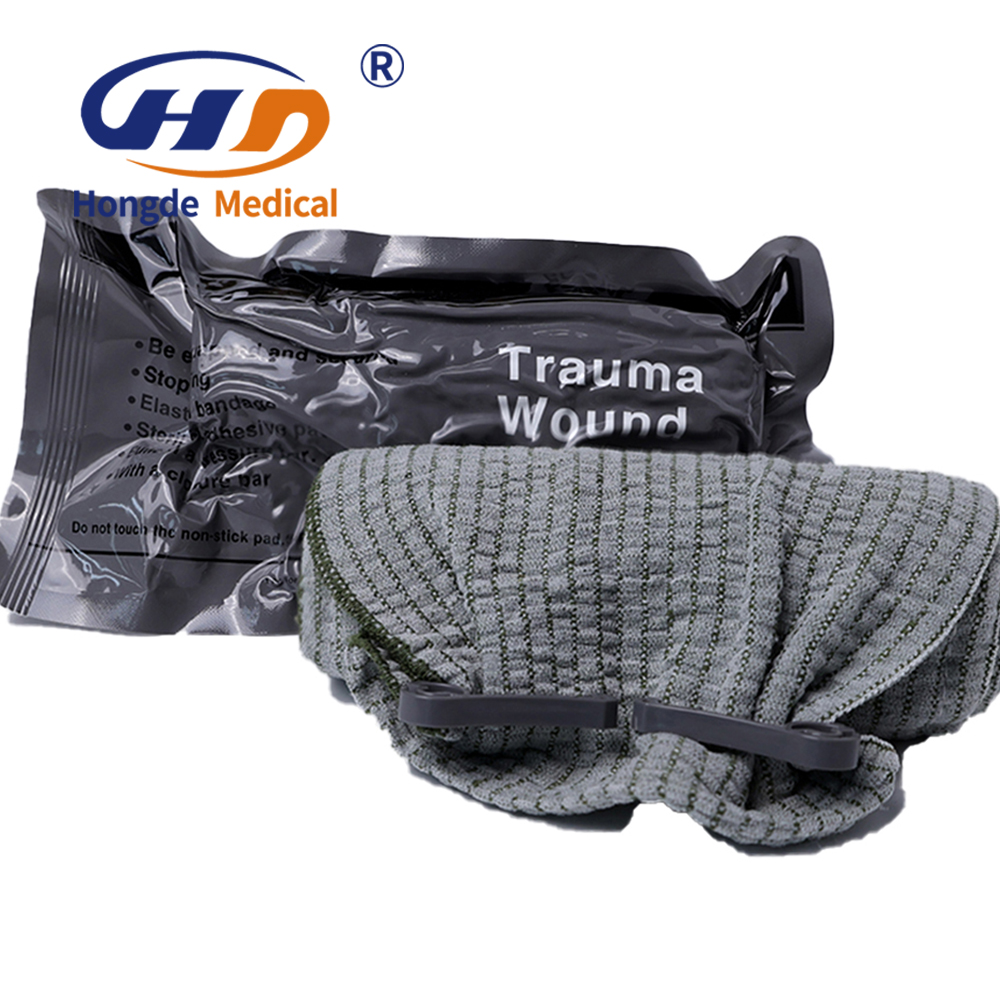
Hongde Medical specializes in providing high-quality, reliable medical supplies that meet industry standards. Our trauma bandages, produced in our state-of-the-art factory, are designed to support healthcare providers in delivering effective emergency care. Partnering with reputable suppliers, we ensure that our products are distributed efficiently to meet the needs of various medical facilities. Trust Hongde Medical to be your go-to source for medical solutions, ensuring that your emergency response is equipped with the best in class supplies.
Post time: Oct-16-2025