


Introduction: Understanding Crepe Bandages
Crepe bandages are widely utilized in both medical and athletic contexts for providing support, compression, and protection to injured areas. These bandages, characterized by their elasticity and breathability, are primarily composed of cotton interwoven with elastic fibers. The primary question for many users concerns the reusability of these bandages without compromising their efficacy. Understanding the intricacies of crepe bandages, from their material composition to their role in healthcare, is crucial for determining how best to use and maintain them.
Material Composition: Cotton and Elastic Fibers
Cotton: Durability and Breathability
Cotton is the primary material used in crepe bandages due to its durability and breathability. Its properties allow for substantial elasticity, which is essential for providing the necessary compression without compromising comfort. However, cotton is susceptible to wear and tear, especially when exposed to moisture repeatedly. Thus, understanding the limitations of cotton is vital for users who wish to maximize the lifespan of their bandages.
Elastic Fibers: Ensuring Flexibility
Elastic fibers are integrated into the bandage to enhance its flexibility and stretchability. These fibers, while effective in providing support, can degrade over time, particularly with frequent stretching or washing. Proper maintenance and minimal overextension are key to preserving the elasticity of the bandage, ensuring it remains effective for multiple uses.
Durability Factors: Thickness and Weave
Thicker Bandages for Longevity
Thicker crepe bandages generally offer greater durability, allowing for repeated use without significant degradation. The thickness contributes to the strength of the bandage, making it resistant to tears and wear over time. However, the added thickness can also reduce flexibility, so users must balance durability with the need for range of motion.
The Importance of a Tight Weave
The weave of the bandage plays a critical role in its durability. A tighter weave increases the structural integrity of the bandage, allowing it to withstand more substantial pressures without tearing. This attribute is particularly important for users requiring strong compression, such as athletes or individuals recovering from surgeries.
Hygiene Concerns: Risks and Recommendations
Risks Associated with Reuse
Reusing crepe bandages poses significant hygiene risks, particularly if they come into contact with open wounds. Bacteria and other pathogens can thrive in the moist environment of a used bandage, potentially leading to infections. Therefore, it is generally recommended that bandages used on open wounds be discarded after a single use.
Cleaning and Disinfecting Guidelines
For bandages used on unbroken skin, proper cleaning and disinfecting can mitigate some hygiene concerns. Washing in hot water with a mild detergent, followed by thorough drying, can remove most contaminants. In certain cases, using a disinfectant solution is advisable, especially if the bandage has been used in a medical setting. This ensures the removal of harmful pathogens, reducing the risk of infection upon reuse.
Different Types of Crepe Bandages: Usage Variations
Elastic vs. Non-Elastic Bandages
Elastic crepe bandages provide more flexibility and stretch, which is beneficial for dynamic support during physical activities. However, they may not be as durable as non-elastic bandages, which offer stronger support and are more resistant to wear. Understanding the specific application needs is crucial for selecting the appropriate type of bandage.
Specific Applications: Knees and Ankles
Certain types of crepe bandages are designed specifically for areas like the knee and ankle, providing tailored support and compression. These bandages may have varying levels of reusability based on their unique composition and design features. Users should evaluate the specific requirements of their injury or condition when choosing a bandage.
Impact on Healthcare Costs and Environment
Economic Benefits of Reusability
The ability to reuse crepe bandages can result in significant cost savings for individuals and healthcare providers. While the initial purchase cost of bandages is relatively low, frequent replacements can add up, particularly for chronic conditions requiring long-term use. By extending the lifespan of a bandage through proper maintenance, users can reduce overall healthcare expenses.
Environmental Considerations
Disposable medical supplies contribute substantially to medical waste. By reusing crepe bandages, individuals and healthcare providers can decrease the volume of waste, promoting more sustainable practices. This environmental benefit aligns with global efforts to reduce waste and promote sustainability in healthcare.
Test for Reusability: Inspecting Wear and Tear
Assessing Material Integrity
Regular inspection of a crepe bandage for signs of wear and tear is essential for ensuring its continued effectiveness. Users should look for fraying, loss of elasticity, and any signs of contamination. Bandages that exhibit significant degradation should be replaced to maintain adequate support and hygiene.
Evaluating Elasticity and Support
The elasticity of a crepe bandage is a critical parameter for its functional use. If a bandage has lost its elasticity, it will not provide the necessary compression and support. A simple stretch test can be conducted to evaluate the current elasticity; if the bandage does not return to its original shape, it may no longer be suitable for use.
Best Practices for Extending Bandage Lifespan
Cleaning and Storage Tips
Proper care can significantly extend the life of a crepe bandage. Washing with mild detergent and avoiding harsh chemicals help maintain the integrity of the materials. Additionally, storing the bandage in a dry, cool place prevents unnecessary exposure to moisture and sunlight, both of which can degrade the material.
Adhering to Manufacturer Guidelines
Following the manufacturer’s instructions regarding use, care, and maintenance is crucial for extending the lifespan of a crepe bandage. Manufacturers and suppliers typically provide guidelines that ensure optimal performance and longevity. Paying attention to these details can make a significant difference in the usability of the bandage.
Medical and Athletic Applications: Support and Compression
Roles in Medical Settings
Crepe bandages serve various roles in medical settings, from securing dressings to providing support for muscle and joint injuries. Their versatility makes them a staple in hospitals and clinics, where they assist in the stabilization and protection of injured areas. The ability to reuse these bandages effectively can optimize medical resources.
Benefits for Athletes and Active Individuals
Athletes and individuals with active lifestyles benefit greatly from the support and compression offered by crepe bandages. These bandages help manage muscle strains and sprains, enabling users to continue their physical activities with reduced risk of further injury. Proper application techniques are essential for maximizing these benefits.
Conclusion: Balancing Benefits and Risks
The decision to reuse crepe bandages should balance the economic and environmental benefits against potential hygiene risks. Understanding the factors influencing the durability and effectiveness of these bandages is essential for making informed decisions. By adhering to best practices and manufacturer guidelines, users can ensure that their crepe bandages remain a reliable solution for support and compression needs.
Hongde Medical Provide Solutions
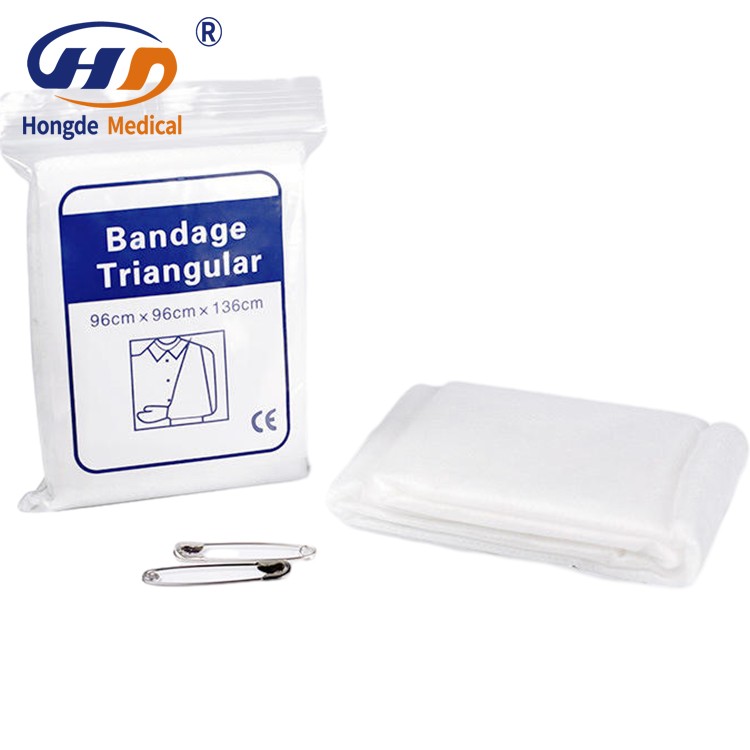
For reliable and quality crepe bandage solutions, Hongde Medical offers a range of products designed to meet diverse medical and athletic needs. Our bandages ensure optimal support and durability, crafted with high-quality materials. As a trusted manufacturer and supplier, we prioritize both performance and sustainability, minimizing environmental impact through reusable and long-lasting products. Choose Hongde Medical for your crepe bandage needs and benefit from our expertise in delivering superior medical solutions.
Post time: Aug-05-2025